Match channels to the customer journey
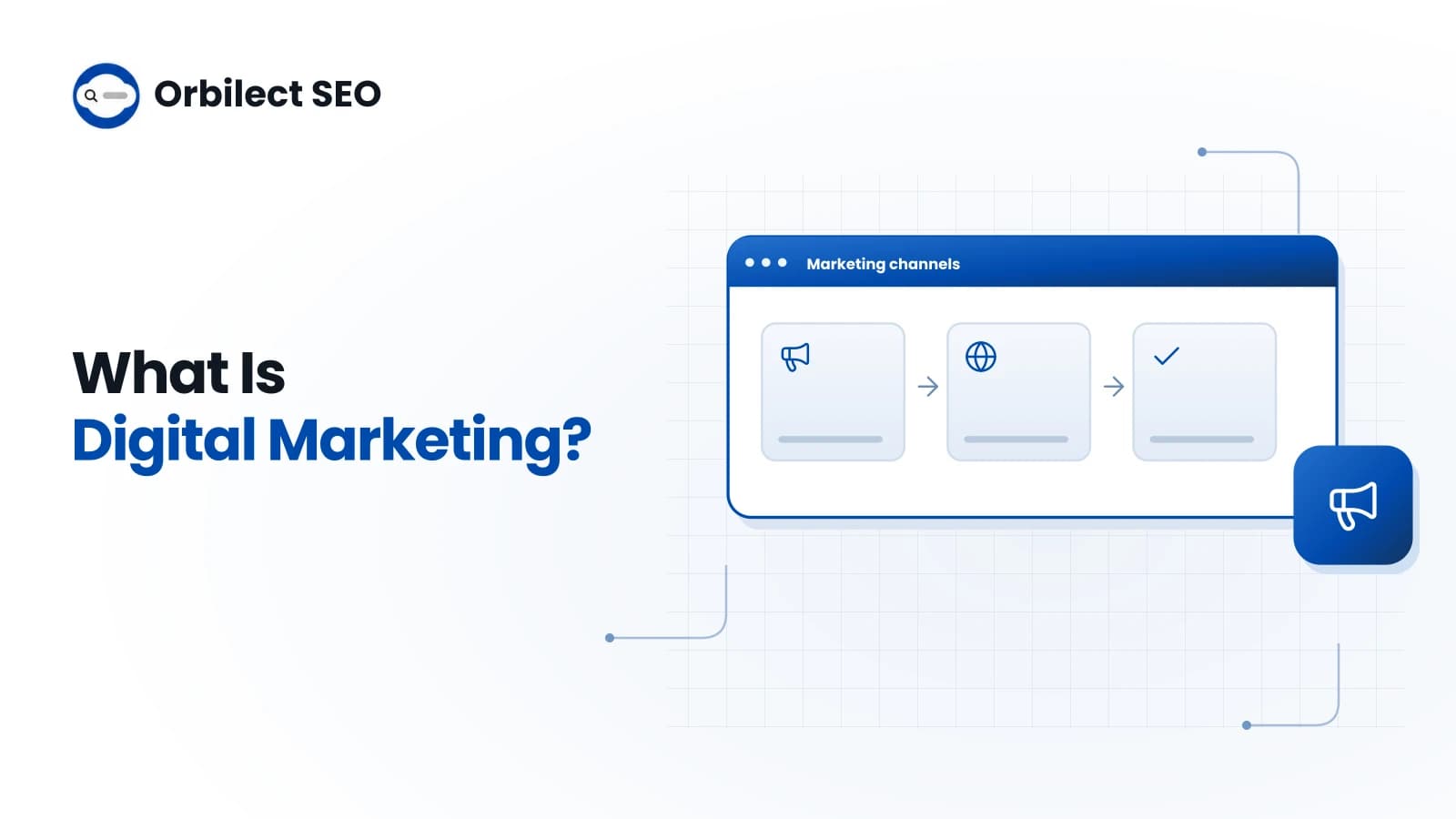
Use search to answer active questions, paid campaigns to reach specific audiences, and email to follow up with people who agreed to hear from you. Social and partnership content can help people discover what they did not know to search for.
Start with the customer rather than a list of channels
Digital marketing connects a defined audience to an offer through online content, distribution and communication. Identify what buyers need to learn and where they already look. A local service company may rely on search and maps; a B2B product may need useful comparison pages and follow-up emails. Build the website or landing page needed to turn interest into a useful action.
- Find the audienceIdentify where buyers research and what they need
- Build the routeChoose a channel and a destination that supports it
- Review business outcomesVerify leads, bookings or orders with business records
Set a business objective before choosing tools
If the goal is more qualified quote requests, decide which offers, customers and locations qualify. Build a clear landing or service page and choose one or two channels you can properly support.
Give each channel a role that you can explain
Organic search can answer recurring demand, paid media can test a well-defined offer, social can show the work and email can help known audiences take a next step. Plan how pieces connect instead of treating each platform as a separate campaign. Give each channel an owner, budget and a credible success measure. Follow the appropriate consent and platform rules.
Measure what helped
Track completed actions and compare outcomes across channels using consistent definitions. Review the cost and quality of leads, and record what changed before interpreting results. Scale activities once there is evidence they can contribute.
Measure progress along a customer path
Write down the core conversions and how they are confirmed in the business system. Use analytics for visits and behaviour, then compare with leads, bookings or orders. Expect some journeys to cross channels and devices. Report meaningful outcomes, dates and changes alongside engagement numbers. When you see a drop, check tracking and operational capacity before blaming a channel.
A campaign for a repair business
A repair business publishes service pages with clear coverage and booking information. It tests paid search for urgent requests and uses email to remind existing customers about maintenance they have asked to receive. It compares accepted jobs and contribution by offer, not just the cheapest clicks.
Map one path in enough detail to see where each channel helps. A curious reader may find an article, return for a comparison and subscribe before buying. A different buyer may search a specific service and call immediately. Decide what information each person needs and what you can measure without assuming the last recorded touch created all the value. Use those paths to make your channel decisions more concrete.
| Objective | Useful channels | Outcome |
|---|---|---|
| Capture active search demand | SEO and paid search | Accepted enquiries or orders |
| Demonstrate a service or product | Content, social and relevant creator work | Qualified visits or product evaluation |
| Support repeat business | Permission-based email and customer communication | Repeat orders and completed follow-up actions |
Common questions
Does digital marketing mean buying ads?
Advertising is one option. Search content, email, social and your website can all support customer acquisition or retention.
What should a small team measure first?
Choose one business outcome you can verify and a small set of supporting measures that explain where people enter or drop out.
What is the difference between a channel and a campaign?
A channel is a route to the audience, such as search or email. A campaign ties a specific offer, audience, set of actions and measurement period together and can use several channels.
What to check next
- Channel choiceMatch the channel to a buying stage
- OfferDefine who qualifies and why they should act
- ReportingCompare qualified outcomes and cost